
Colours by nature
Obtaining colours with natural soap is both a science and an art.
Countless variables affect the outcome of a soap colour. So, whilst ingredients are added to achieve a colour, specific factors also need to be taken into account as they will influence the final outcome. For example, the oils used - a pale colour soap is best achieved with white base oils and a pale blue soap will never be achieved with a green olive oil. There are always exceptions to achieving a desired colour and these exceptions are part of an artisans research.
What gives Aermeda soaps their colour?
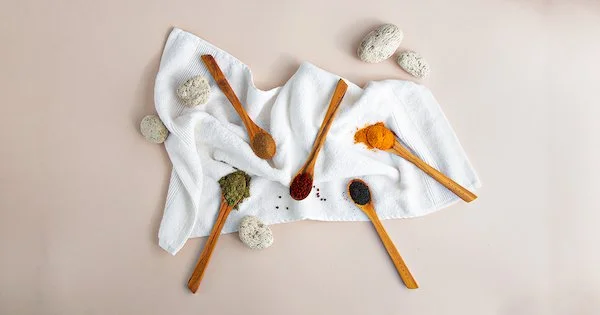
Aermeda colours are derived from natural sources - herbs, plant extracts and clays. We don’t find using natural sources restrain us, neither is the result dull or restrictive. We have a beautiful range of natural colours and, not one soap clashes with another.
Naturally derived coloured clays do not offer the most ‘vibrant’ shades but, they do offer benefits to the skin like helping to cleanse the skin by drawing out impurities. We love using natural clays, with exfoliating or skin-softening benefits, to create subtle and beautiful colours.
We also use powders and spices such as turmeric and cocoa powder - these tend to give a more definite colour than clays.
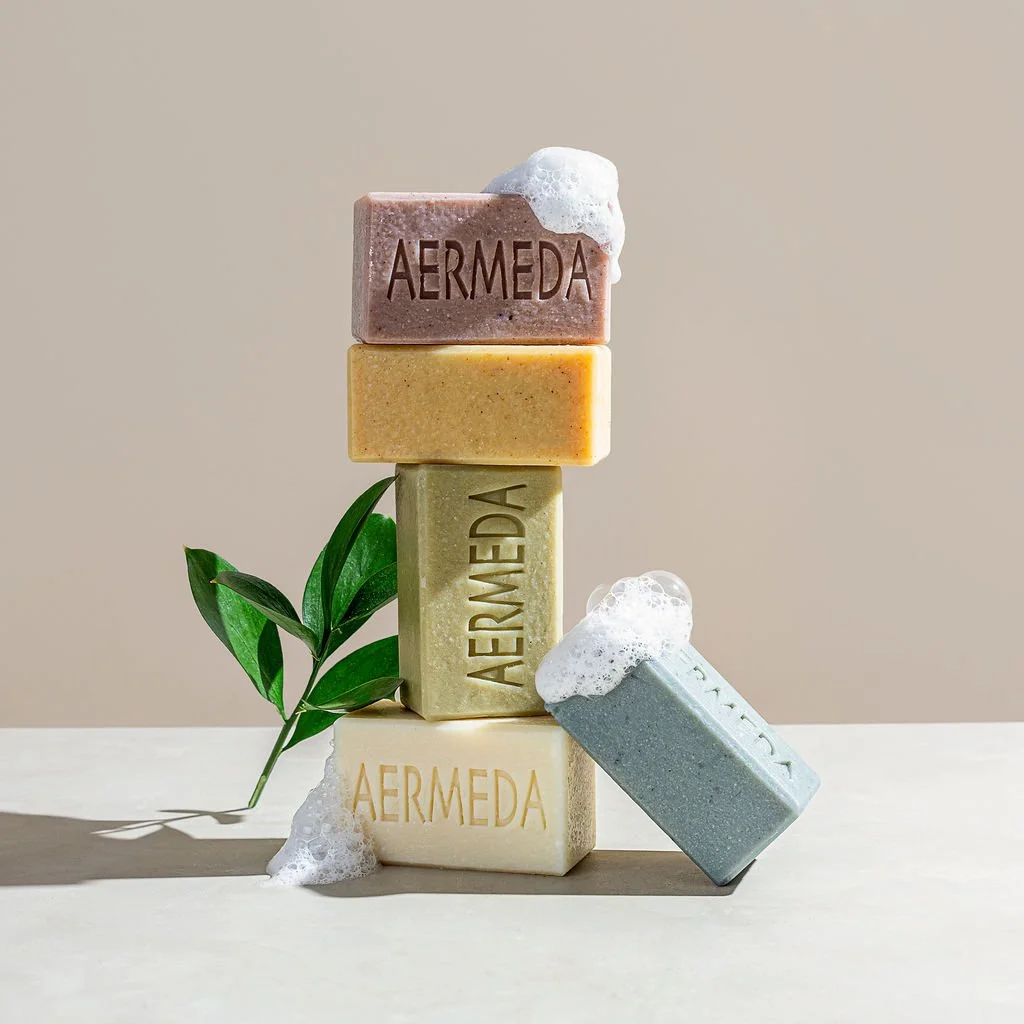
The image below left illustrates some of the Aermeda soaps coloured with (top to bottom) Purple clay; Turmeric; French Green Clay with Chlorella; Indigo; Kaolin

How do we add colour to our artisan soap using natural ingredients?
Our natural colour is achieved in our soaps mainly using three methods: a) Essential Oils, b) Direct addition of herbs and clays, and c) herbs/seeds/roots that have been steeped and concentrated before adding.
Each method has its challenges and, much research and experience dictate colour outcome. Every artisan batch is unique.
Essential Oils
While essential oils are mainly included for their aroma and the benefits they bring to the soap, they also add/effect the colour.
This is the trickiest method to rely on and not always ideal because some essential oil blends compromise the desired colour. A pale yellow for example, would not be possible with Clove or Patchouli essential oil as they make for a dark yellow or pale tan colour.
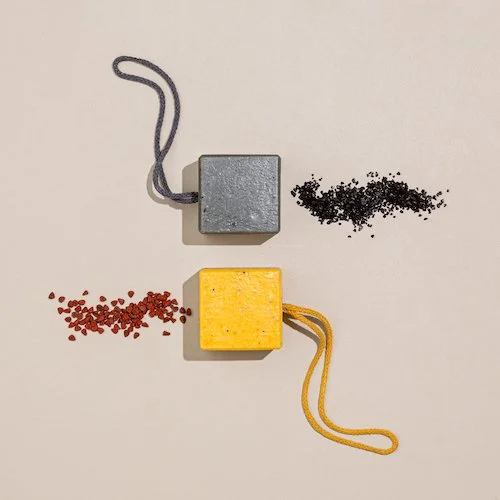
We use some essential oils to strengthen and support plant based colours as in our Annatto, Citrus & Poppy Seed Scrub where the citrus essential oil blend gives a yellow hue further enhancing the bright sunny colour.

Direct addition
This the easiest method to achieve a desired colour/hue of soap. Clays, herbs or a combination of both, are added
to liquid oils before mixing with melted butters or,
to the soap batter at trace (towards the end of the mixing process) or,
to the lye solution as with the turmeric to colour our Almond Milk, Turmeric and Apricot Scrub and Indigo in our Indigo,Oatmeal and Kaolin Clay soap.
to the essential oils and then to the soap batter at trace. We use this method with some of our clays and there is a ‘theory’ that allowing the clay to absorb the essential oils act to ‘anchor’ the aroma and hence add longevity.
Steeping in oil
We love the results of this method. It is best for those herbs whose richness won’t reveal itself by direct addition to the soap batter. The outcome is the most vivid colours.
We add a measured amount to pre-heated oils in a slow cooker. The steep time and amount depend on the depth of colour we require. The steeped herbs are strained prior to using the oil in the soap mix. We use this method for soaps containing Annatto and Madder Root (launching spring).
Aermeda soaps are coloured by nature.
Having explored many liquid ingredients and the benefits they bring to soap, we made the decision to only make milk cleansing and shaving soaps. Always intrigued by the benefits of milk on skin, we've taken the time to master the art and produce a soap that does not compromise the quality of the end result, making a shaving soap with high moisturisation properties.
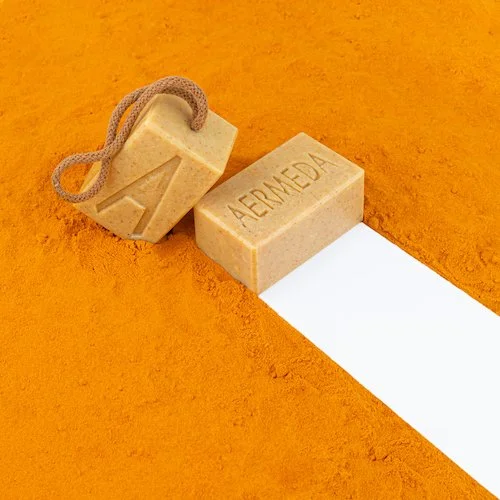
Almond Milk, Turmeric and Apricot Scrub - Vegan
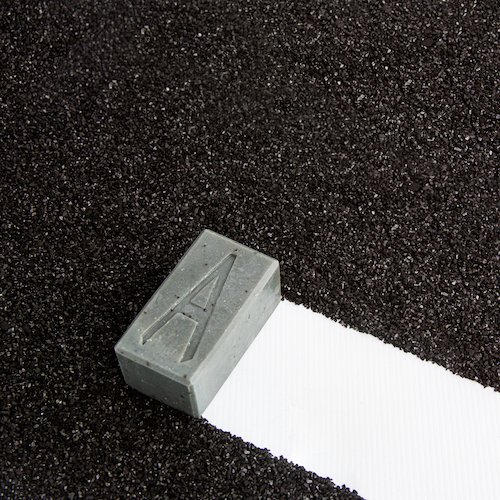
Wild Kelp, Pumice & Activated Charcoal - Exfoliating


Sweetly scented from the Chamomile infusion and, meticulously formulated for delicate and sensitive skin, our newest offering is mild enough to use on toddlers and those with sensitive and irritated skin.
This handcrafted bar combines the time-honored tradition of Bastille soap with the soothing benefits of chamomile and oatmeal with the creamy richness of milk, delivering a gentle yet deeply hydrating cleanse.
Chamomile is one of the best herbs for irritated skin, and by infusing chamomile into the olive oil used in this soap, you get all the calming properties the herb offers.
Available on a rope or as a bar with either Goat Milk or Coconut Milk (Vegan)
Key Ingredients:
Chamomile: Known for its calming and anti-inflammatory properties, it helps to soothe irritation and redness.
Colloidal Oatmeal: A natural skin protectant, it gently exfoliates while locking in moisture, leaving skin soft and smooth.
Milk: Packed with vitamins and lactic acid, it nourishes and hydrates, promoting a radiant complexion.
Olive Oil: The cornerstone of Bastille soap, offering a rich, creamy lather that nourishes and protects.
Benefits:
Specially formulated for sensitive and easily irritated skin.
Helps to restore moisture while gently cleansing.
Free from artificial fragrances and colours.
Perfect for everyday use for anyone seeking a gentle, natural solution for sensitive skin. A super calming, relaxing and gentle experience.
Bastille soap is closely related to Castille soap. While Castille soap contains 100% olive oil any cold process soap made with at least 70% olive oil is considered a Bastille soap. We think Bastille soap is wonderful, as it combines the rich skin soothing qualities of Castile soap, but you still have the cleansing ability and great lather that other oils can provide!
Our Milk Bastille soaps are 80% Olive Oil with the remaining 20% made up of high quality butters and oils. It helps cleanse and exfoliate the skin. Like all Aermeda soaps, our Bastille contains no water - the liquid component is 100% milk.
See full ingredients list below.
Weight e 90g